11. Staff Officers Rule the World

Self Delusion?

Most Officers flatter themselves by thinking of themselves as commanders, and the occasional staff officer. For most, they believe time as a staff officer is just a holding pattern until the next command comes along! For most Officers, this is self-delusion! Although many officers will serve wonderfully long careers in a majority of command positions, the vast majority of officers will spend the preponderance of their career in staff positions.  They’ll punctuate that ‘time in hell’ with the occasional, short command. The Army is smart. With long experience, it knows when to dangle the carrot to keep its officers in the swamps. Command experience is that carrot.  But, the accomplished Officer appreciates that Staff Officers really rule the World.

The Power behind the Power
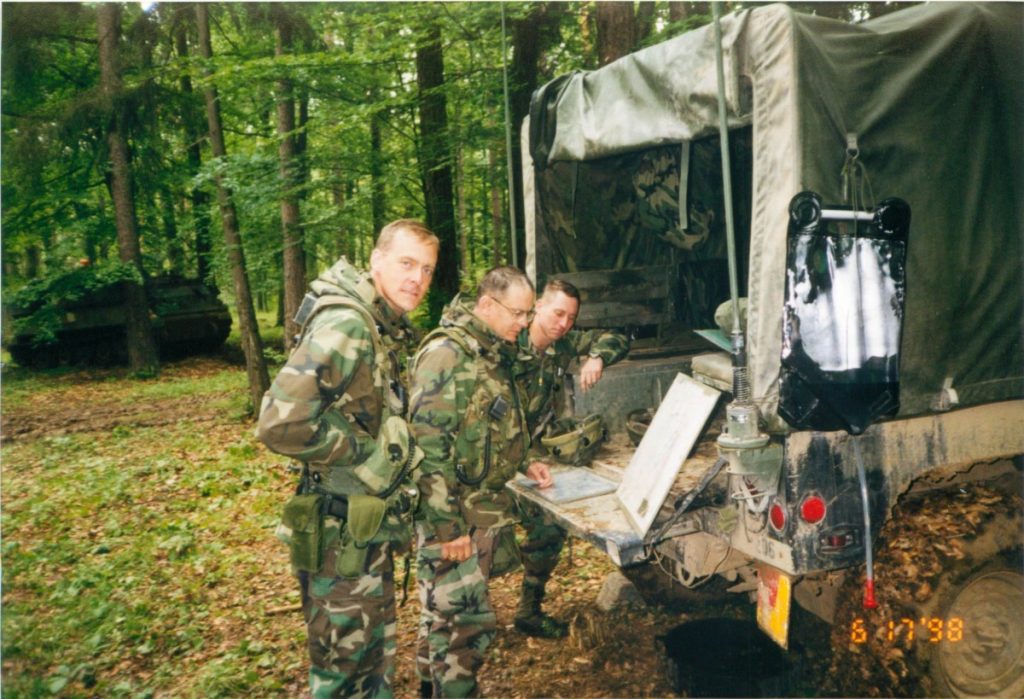
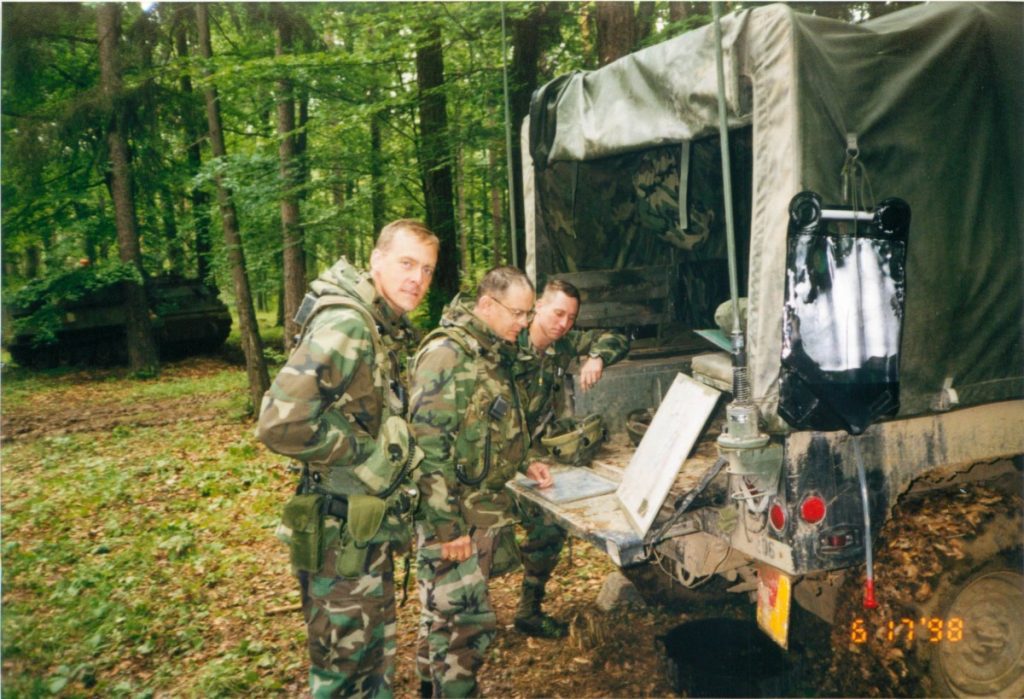
Staff Offficers Rule the World

Unfortunately what many Staff Officers never come to realize is the impressive power they hold to influence events around them. It’s the unusual commander (or senior administrator) that conceives the decisions that monumentally change outcomes.

Usually it’s the staff officer that presents the commander or director with a menu of options from which to choose! It’s the staff officer that does the hard analytical work.  Based on his/her experience and expertise, he devises and selects the most viable courses of action. He then organizes these options into a presentation, usually favoring the course of action he finds to be the most feasible. From this list of possibilities, the commander makes his ‘Command Decision’ to guide events.

Invariable the commander will turn his staff officers on their heads by selecting a hybrid, mixing the details of a couple of the options.

Many immature commanders will then tell themselves, ‘see, if it weren’t for me, this organization would be off course!’ What mature commanders remind themselves of is how grateful they are to have talented staff officers to tell them what to do. They realize that most of the ideas that influence their destiny belong to the staff and all the commander gets to do on occasion, is tweak (personalize) what’s already been decided.

Staff officers who understand how these decision-making dynamics work in reality (commander’s amalgamating their recommendations) wisely tweak their presentations so that the inevitable ‘hybrid’ COA (Course of Action) selection is the one they favored in the first place. Staff officers, even though they may be miserable and disgruntled humans, are incredibly powerful and influential creatures within their domains.

Commanders Delusions?

At this point of the discussion, I envision many former commanders vigorously denouncing this revelation by telling themselves that it was they that gave the vision, direction, and intent to the staff from which they devised the possible direction and limits of options. That may be so. However, what the commander neglects to recall is that his views are informed by guidance received from his bosses mission, direction, and intent; which most likely is formed by his staff.

Smart staff officers run the Army; I suspect the same paradigm equally exists in big business as well. If your ‘cooling your jets’ in a staff position, enjoy the power because one day you may end up being the commander that gets told what to do by his staff!


Interesting Links

Want to offer comments, the form below is for YOU! 



Similar Posts

  • 13. Low standards, immature leadership

    Leadership Maturity It’s strange how some minor, seemingly trivial memories remain with us long after they occurred. One must conclude that deep down, they actually hold some value that sways our outlook today. I vividly recall one such memory highlighting my low standards and immature leadership at the time.  It should deserve no recollection, but it does. I had the honor of serving as the leader of an incredibly talented and dynamic detachment in a special operations unit.  One afternoon I was engaged in a deep conversation with my assistant operations NCO. He was a smart and enthusiastic paratrooper who…

  • 4. Possibility and Probability – A Leadership & Management Convergence

    Possibility and Probability Possibilities and Probabilities set the parameters for good leadership and management. Good leaders continually shepherd their organization into applying the ‘art of the possibility’ by evolving new options to address the organization’s challenges and goals. Good managers guide their organization’s assessments of the probability of success for each possibility. The art of leadership and management is balancing probabilities against possibilities and assigning limited resources against the most feasible and realistic combination to achieve the desired outcome.   Interesting Links If you enjoyed this article, link here to our others See a few of our articles posted in…

  • 2. Tactical verses Strategic Problem Solving (example II)

    Tactical verses Strategic Problem Solving Sometimes we address Strategic Problems with Tactical solutions and wonder why they fail in the long run.  This causes us to question our decision making and problem solving processes, as it should.  This example may help orient one to consider addressing root problems rather than symptoms of the problem.  A simple example of decision making and problem solving at both the tactical and strategic levels lies with the struggle of fighting the common cold.   When one has a cold, we look for remedies or medication to minimize the pains associated with the cold –…

  • 8. Every Organization Lies (Organizational Myths)

    Myths & Lies Organizational Myths and lies.  Every organizations lies to perpetuate itself, and it enlists the aid of those who are perpetuated by it (knowingly or unknowingly). Every organization has myths about what behavior, actions, or practices will help its members get ahead. The challenge of the aspiring young employee is to know which myths are useful and which to avoid. That’s not easy because they can be ingrained in the very culture of the organization. One such ‘big lie’ that’s been around the Army for many years is that an officer should never pass up an opportunity to…

  • 15. The Real AI Advantage: Integrating Leadership Decisions Across Military Information Domains

    Framing the Challenge Artificial Intelligence (AI) will transform warfare. Nations that use it effectively will be better able to protect and advance their interests. For military leaders and defense professionals, the key question is not whether AI will matter, but how to harness it to influence decision-making, operational effectiveness, and the balance between mission accomplishment and risk. The central strategic challenge is moving AI beyond incremental gains to achieve a decisive shift in military advantage—a true Revolution in Military Affairs (RMA). Much of today’s defense-related AI work seems focused on improving the speed, scale, and accuracy of individual processes or…

Leave a Reply

Your email address will not be published. Required fields are marked *