
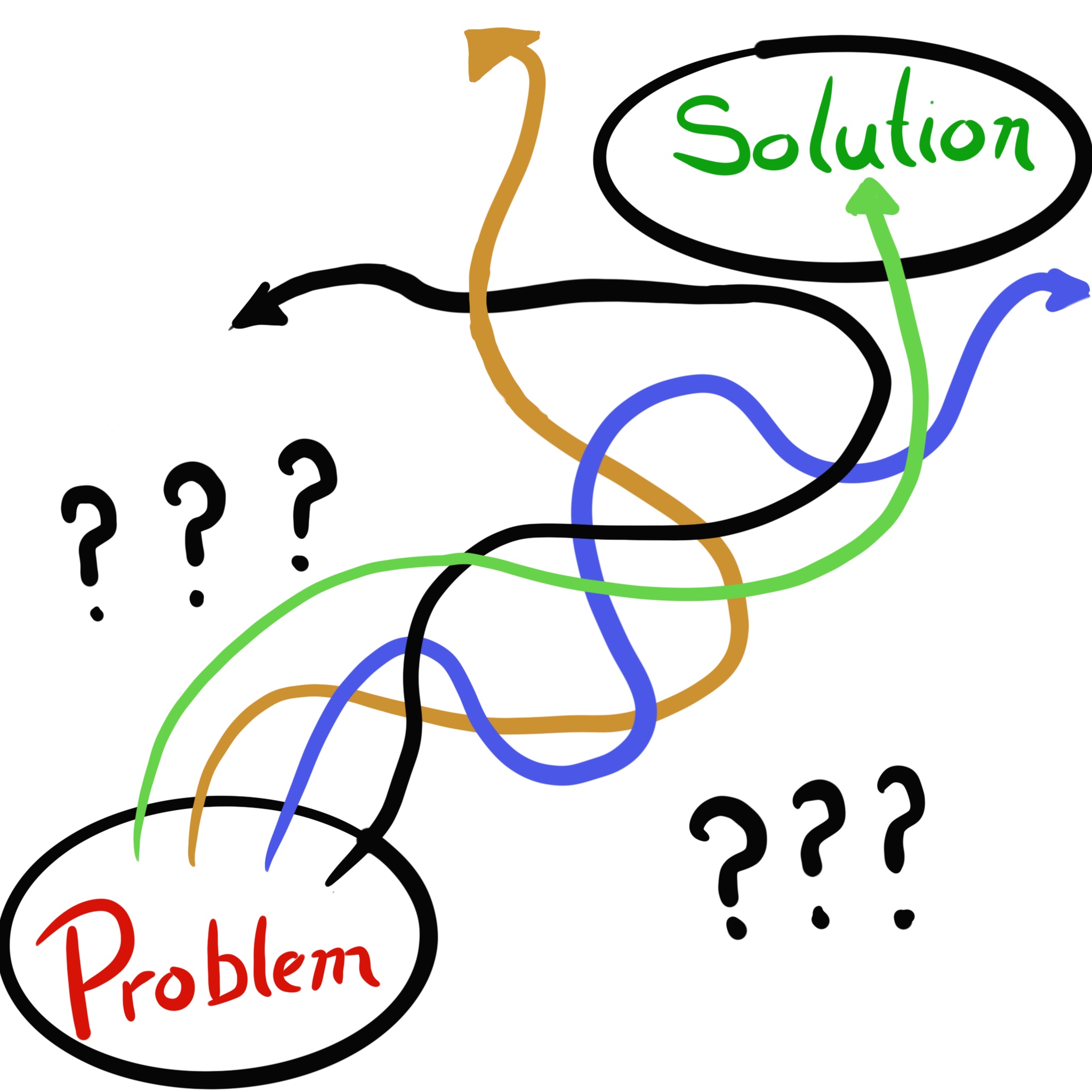
Tactical verses Strategic Problem Solving (example II)
Tactical verses Strategic Problem Solving
Sometimes we address Strategic Problems with Tactical solutions and wonder why they fail in the long run. This causes us to question our decision making and problem solving processes, as it should. This example may help orient one to consider addressing root problems rather than symptoms of the problem. A simple example of decision making and problem solving at both the tactical and strategic levels lies with the struggle of fighting the common cold.
When one has a cold, we look for remedies or medication to minimize the pains associated with the cold – headache, fatigue, congestion, runny nose, etc. This is a tactical problem solving solution as it fails to address the root problem – the cold virus. Although scientists have identified seven different families that make up more than 200 common cold viruses which provoke cold-like symptoms, they have yet to find a unifying antidote to eradicating the cold.
Problem Identification
Problem Identification is perhaps the most critical step to problem solving. Having a keen understanding of the underlying facts is critical in developing the most appropriate course of action. When we get a cold, most over-the-counter cold medicines will not eliminate the cold virus from your body; they only help mask the symptoms as our natural antibodies fight the virus. In a general sense, reducing the impact of the cold serves us well enough and therefore selecting medicine may seem to be a good, or effective, solution to the cold.
Tactical Problem Solving
In reality, we’re not solving the problem of fighting the cold virus, we are fighting its symptoms. This is a tactical solution. In this example, masking the symptoms may work because it’s usually a temporary problem. However, with more complex issues, failing to appreciate the root problems and addressing only the symptoms may lead to very unsatisfying results.
Strategic Problem Solving
Strategically looking at the problem requires one to consider the root causes of the problem…‘why do we experience the cold-like symptoms?’ Considering the root issues helps introduces a better series of solution sets to resolve the issue.
Once we realize that modern medicine only masks the symptoms, and cannot eliminate the cold virus, we may then recognize that the best solution to resolve the effects of the cold virus is to avoid the virus in the first place. Perhaps the only way to do that is with complete isolation from cold virus carrying humans. But this may not be an executable course of action. So we would need to look at the next best option supported by a multi-teared approach that includes avoidance where practical, and bolstering the body’s immune system to resist or more quickly fight the virus. This can be accomplished during cold season by keeping your runny nosed neighbor’s kid at a distance, staying off local public transportation, good hygiene, a healthy diet, exercise, and proper sleep.
At the tactical level of problem solving (in this example) we address the symptoms of the problem. They are more resolvable than the root problem. At the strategic level, we address the real issue, avoiding the cold virus and it’s effects. However, as very few health solutions are fail-safe, sometimes we’ll have to practice both the strategic and tactical solutions during the height of a particularly virulent cold season.
A decision maker’s challenge is to understand the problem set well enough to appreciate when they are truly considering their issues. Do your solutions address the root level problem, or are you only ‘fixing’ symptoms. Mitigating symptoms works as a short-term solution, but invariably they’ll return until thinkers strategically address the root problem.
Interesting Links
- To read another narrative between Tactical and Strategic Problem Solving, link here Example I
- To read more articles on Leadership and Decision Making
- For more insights on Situational Awareness – A nexus of Leadership, Planning and Decision Making, link to our Linkedin article
- Please leave your comments and ideas below





Self developed, still a ‘work in progress’ effort. Thank you. Cheers – Darren