Staff Officers Rule the World
Self Delusion?
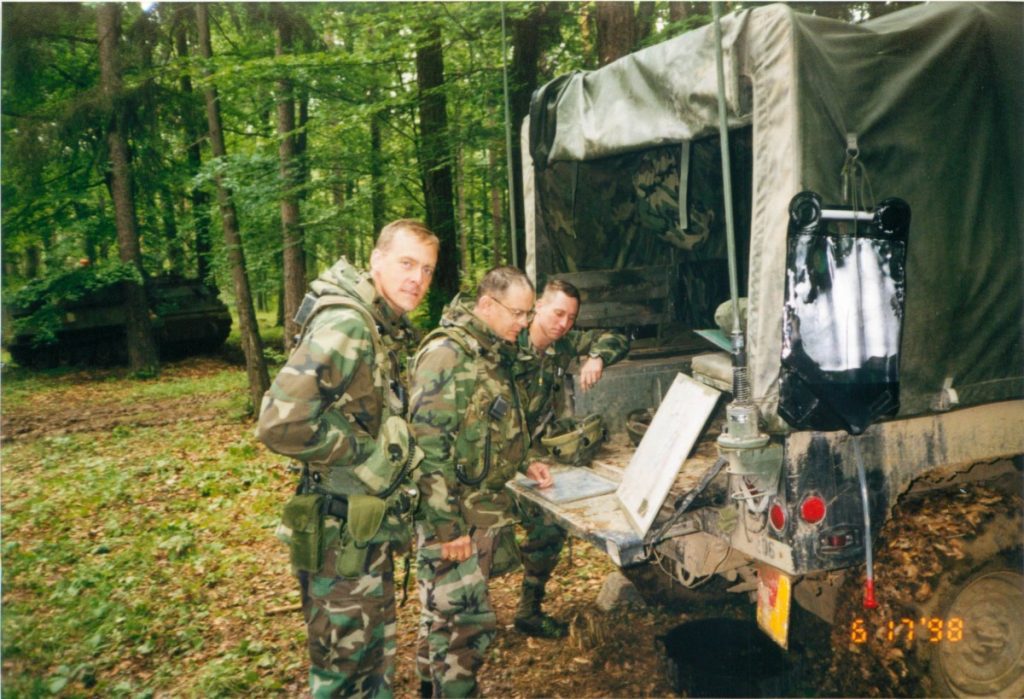
Most Officers flatter themselves by thinking of themselves as commanders, and the occasional staff officer. For most, they believe time as a staff officer is just a holding pattern until the next command comes along! For most Officers, this is self-delusion! Although many officers will serve wonderfully long careers in a majority of command positions, the vast majority of officers will spend the preponderance of their career in staff positions. They’ll punctuate that ‘time in hell’ with the occasional, short command. The Army is smart. With long experience, it knows when to dangle the carrot to keep its officers in the swamps. Command experience is that carrot. But, the accomplished Officer appreciates that Staff Officers really rule the World.
The Power behind the Power
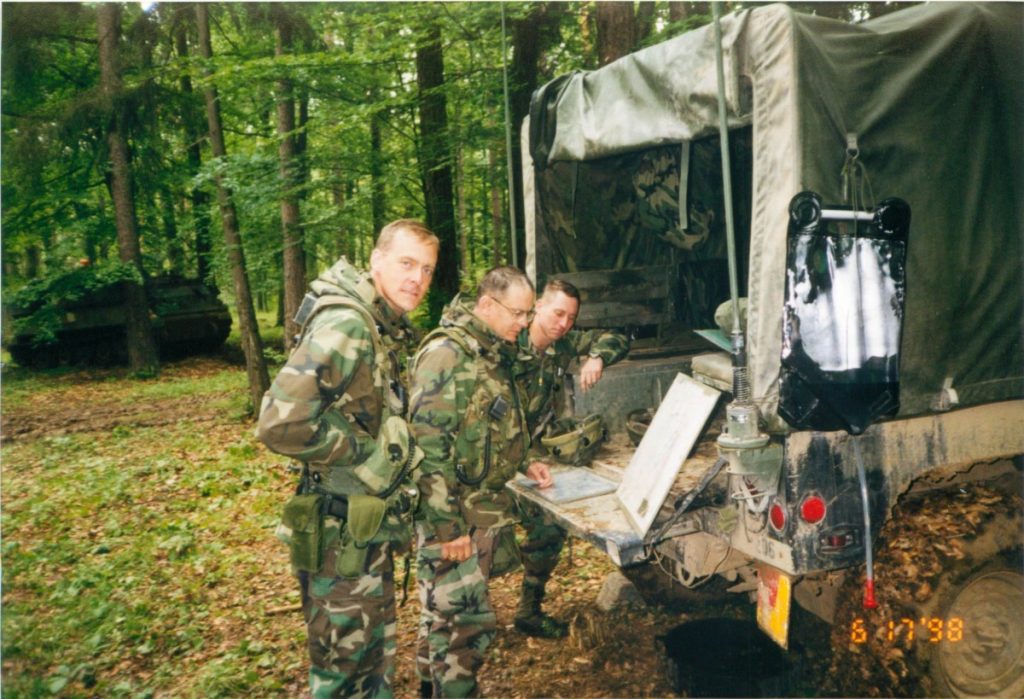
Unfortunately what many Staff Officers never come to realize is the impressive power they hold to influence events around them. It’s the unusual commander (or senior administrator) that conceives the decisions that monumentally change outcomes.
Usually it’s the staff officer that presents the commander or director with a menu of options from which to choose! It’s the staff officer that does the hard analytical work. Based on his/her experience and expertise, he devises and selects the most viable courses of action. He then organizes these options into a presentation, usually favoring the course of action he finds to be the most feasible. From this list of possibilities, the commander makes his ‘Command Decision’ to guide events.
Invariable the commander will turn his staff officers on their heads by selecting a hybrid, mixing the details of a couple of the options.
Many immature commanders will then tell themselves, ‘see, if it weren’t for me, this organization would be off course!’ What mature commanders remind themselves of is how grateful they are to have talented staff officers to tell them what to do. They realize that most of the ideas that influence their destiny belong to the staff and all the commander gets to do on occasion, is tweak (personalize) what’s already been decided.
Staff officers who understand how these decision-making dynamics work in reality (commander’s amalgamating their recommendations) wisely tweak their presentations so that the inevitable ‘hybrid’ COA (Course of Action) selection is the one they favored in the first place. Staff officers, even though they may be miserable and disgruntled humans, are incredibly powerful and influential creatures within their domains.
Commanders Delusions?
At this point of the discussion, I envision many former commanders vigorously denouncing this revelation by telling themselves that it was they that gave the vision, direction, and intent to the staff from which they devised the possible direction and limits of options. That may be so. However, what the commander neglects to recall is that his views are informed by guidance received from his bosses mission, direction, and intent; which most likely is formed by his staff.
Smart staff officers run the Army; I suspect the same paradigm equally exists in big business as well. If your ‘cooling your jets’ in a staff position, enjoy the power because one day you may end up being the commander that gets told what to do by his staff!
Interesting Links
- If you enjoyed this “Staff Officers Rule the World” article, link here to our others
- See a few of our articles posted in Linkedln
Want to offer comments, the form below is for YOU!